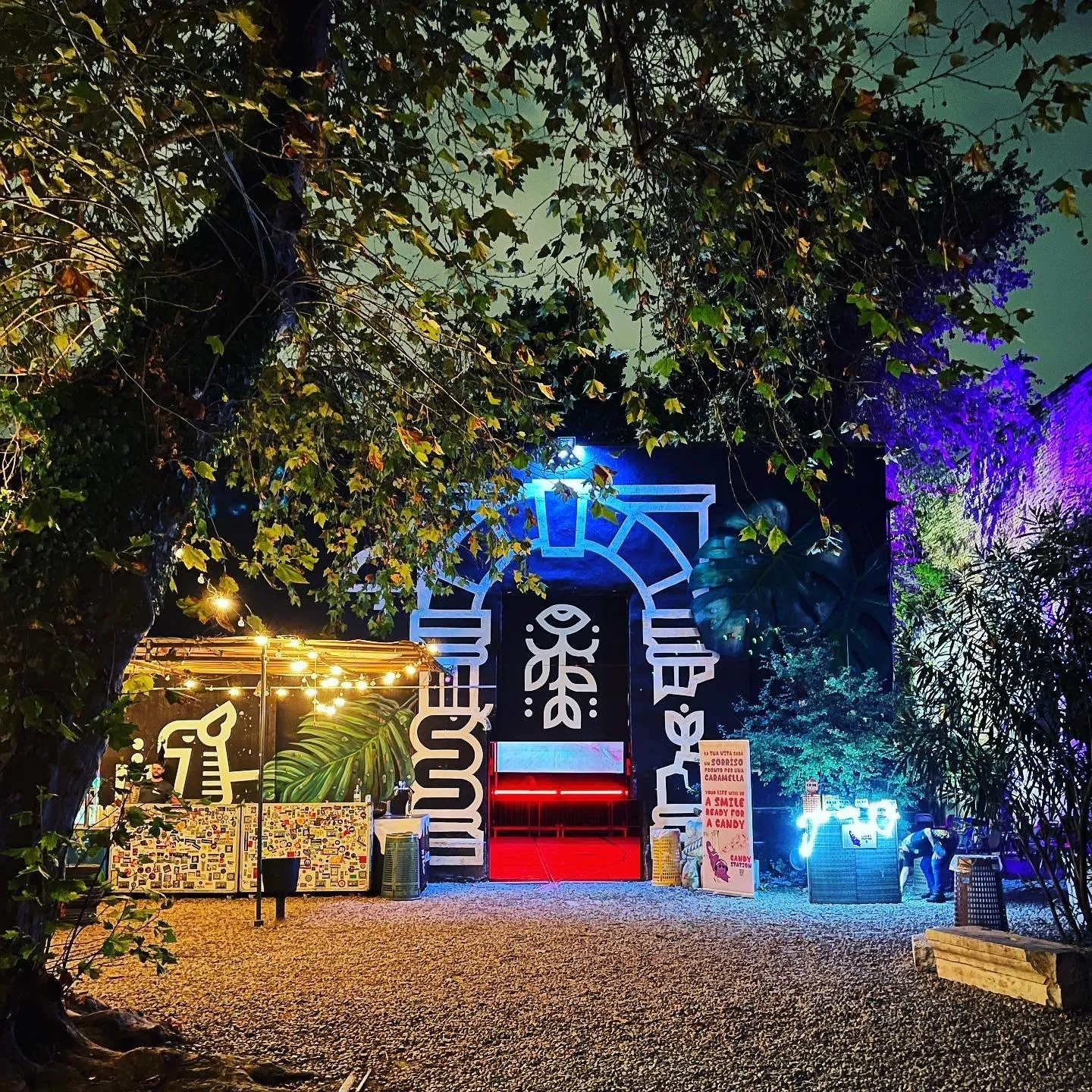
Tempio Del Futuro Perduto

NO TE PIERDAS NADA
Sigue artistas, sitios y marcas y recibe sus nuevos eventos y contenido
Info
Tempio del Futuro Perduto is the first independent multidisciplinary cultural center officially recognized by Italian law.
Founded in 2018 inside a former railway workshop, it was born from a collective desire to create a safe, inclusive space guided by avant-garde values and community care.
Led by a new generation of artists and activists under 35, the project has breathed new life into an entire neighborhood through creative, humanitarian, and eco-sustainable practices.
Over time, it has grown into one of the largest independent cultural communities in Europe, with more than 115,000 registered members and over one million visitors from 150 countries.
The center offers a wide range of daily activities: workshops in traditional and multi-ethnic performing arts, contemporary dance classes, exhibitions, training programs, and reintegration projects for refugees and former inmates.
It hosts a professional psychological support studio specialized in issues affecting young people and those working in the creative field, as well as sex education conferences, design and 3D printing labs, music production studios, a vinyl shop, and a theater.
Tempio also houses Italy’s largest book-sharing project and the country's most renowned Wall of Kindness, having redistributed over 500 tons of essential goods and more than 700,000 second-hand books through its solidarity network.
With no corporate sponsors or public funding, all of this is made possible through cultural initiatives, art residencies, and weekly club events and festivals that give space to emerging Italian artists while connecting them with international guests.
Tempio is also among the first spaces in Italy to host sex-positive events and serves as a headquarters for various human rights associations and activist communities, promoting inclusion, anti-mafia culture, civic education, and cross-cultural exchange—including ongoing collaborations with Milan’s Chinatown.
In the heart of Milan, Tempio is much more than a venue: its a collective artwork, a factory of the future and a free outpost of transformation and mutual support.
Próximos eventos

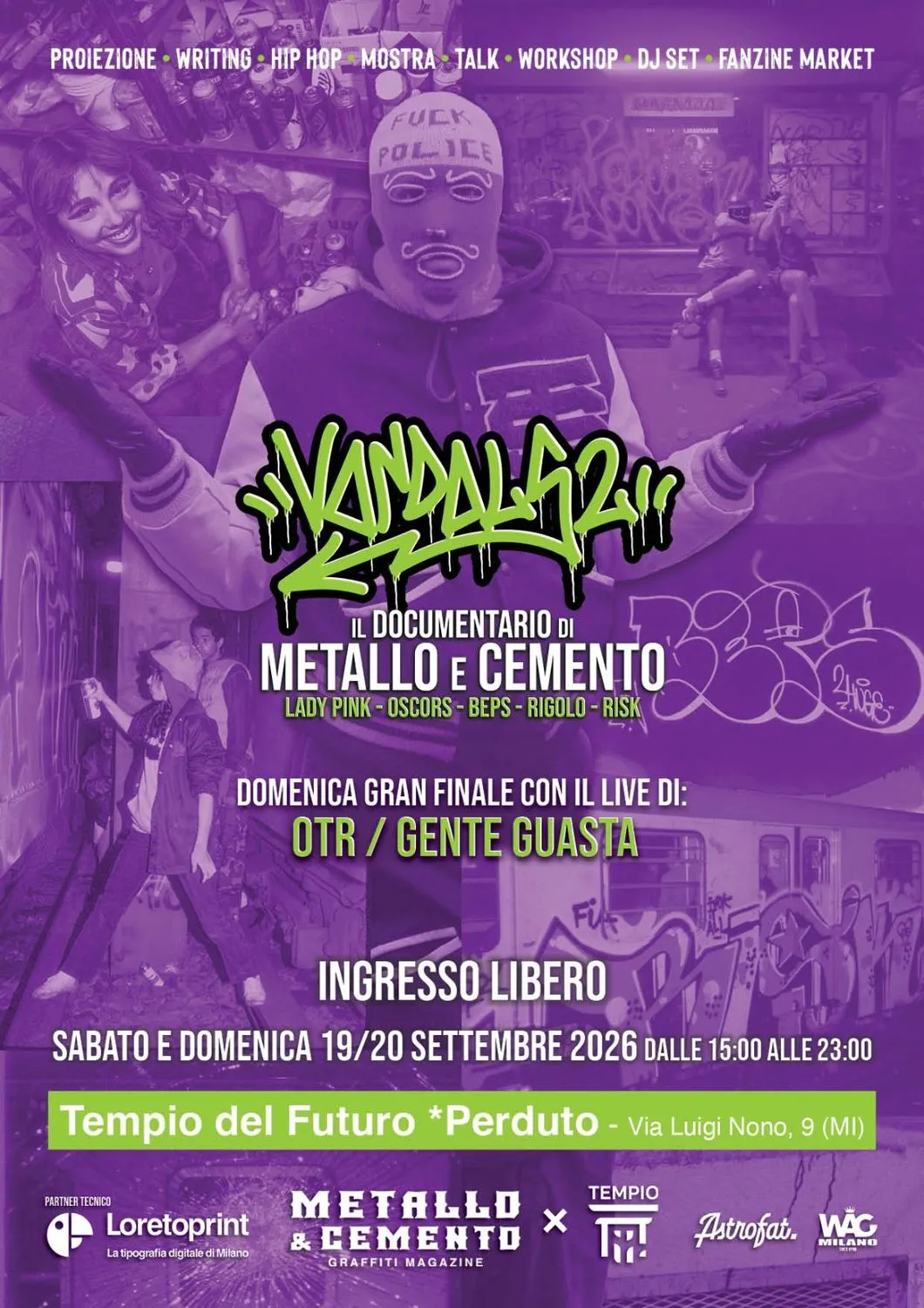
VANDALS 2: Metallo e Cemento presenta OTR / GENTE GUASTA
Tempio del Futuro Perduto • Italia
20 sept
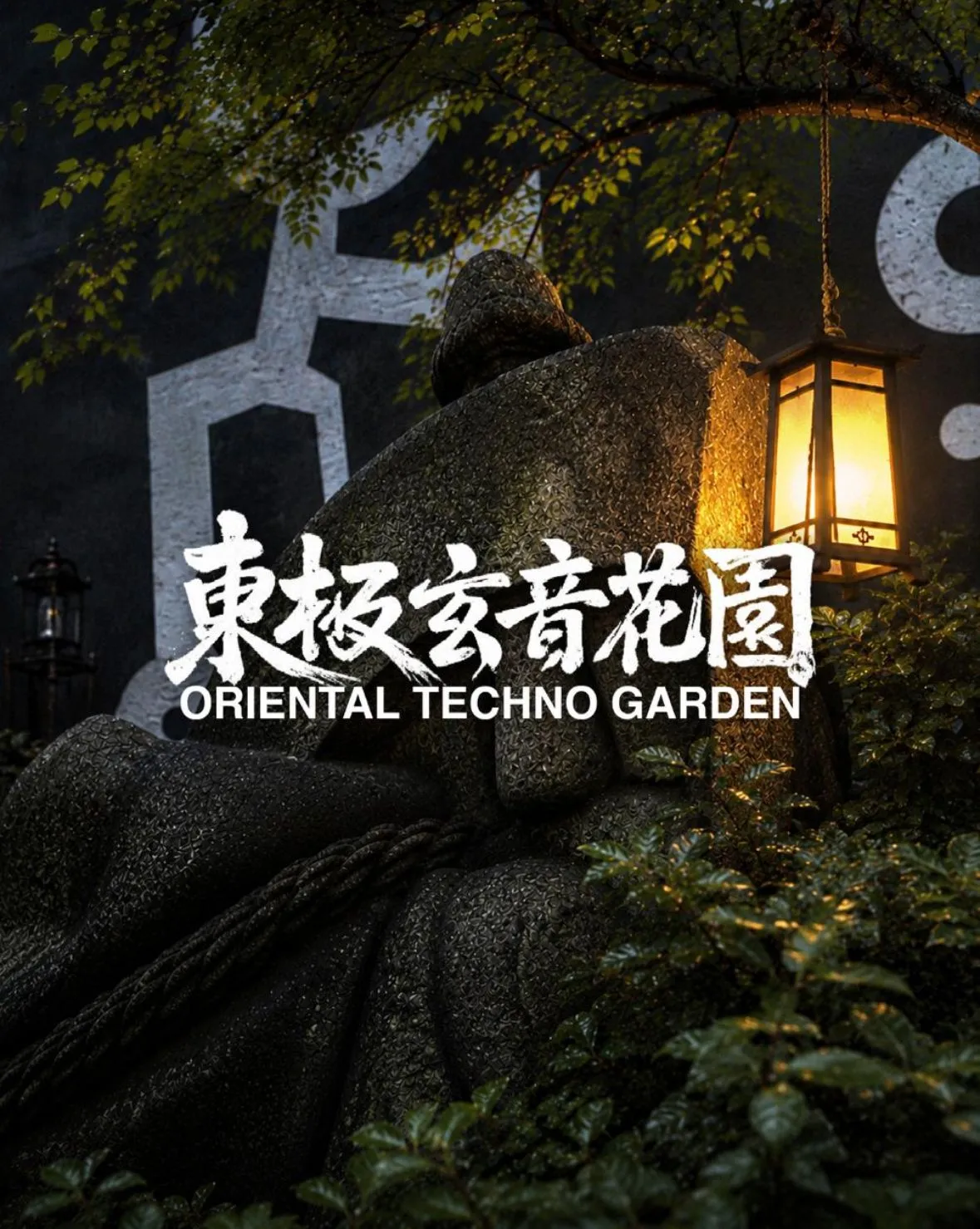
Oriental Techno Garden - 東極玄音花園: KINTEL, ZHAZHA WANG, Shū
Tempio del Futuro Perduto • Italia
25 sept

Educazione Techno Sessuale
Tempio del Futuro Perduto • Italia
26 sept

Tempio Radio Notturna x Parallel41: Niceteed, Subradeon, Manuel Di Martino, Biaes
Tempio del Futuro Perduto • Italia
01 oct