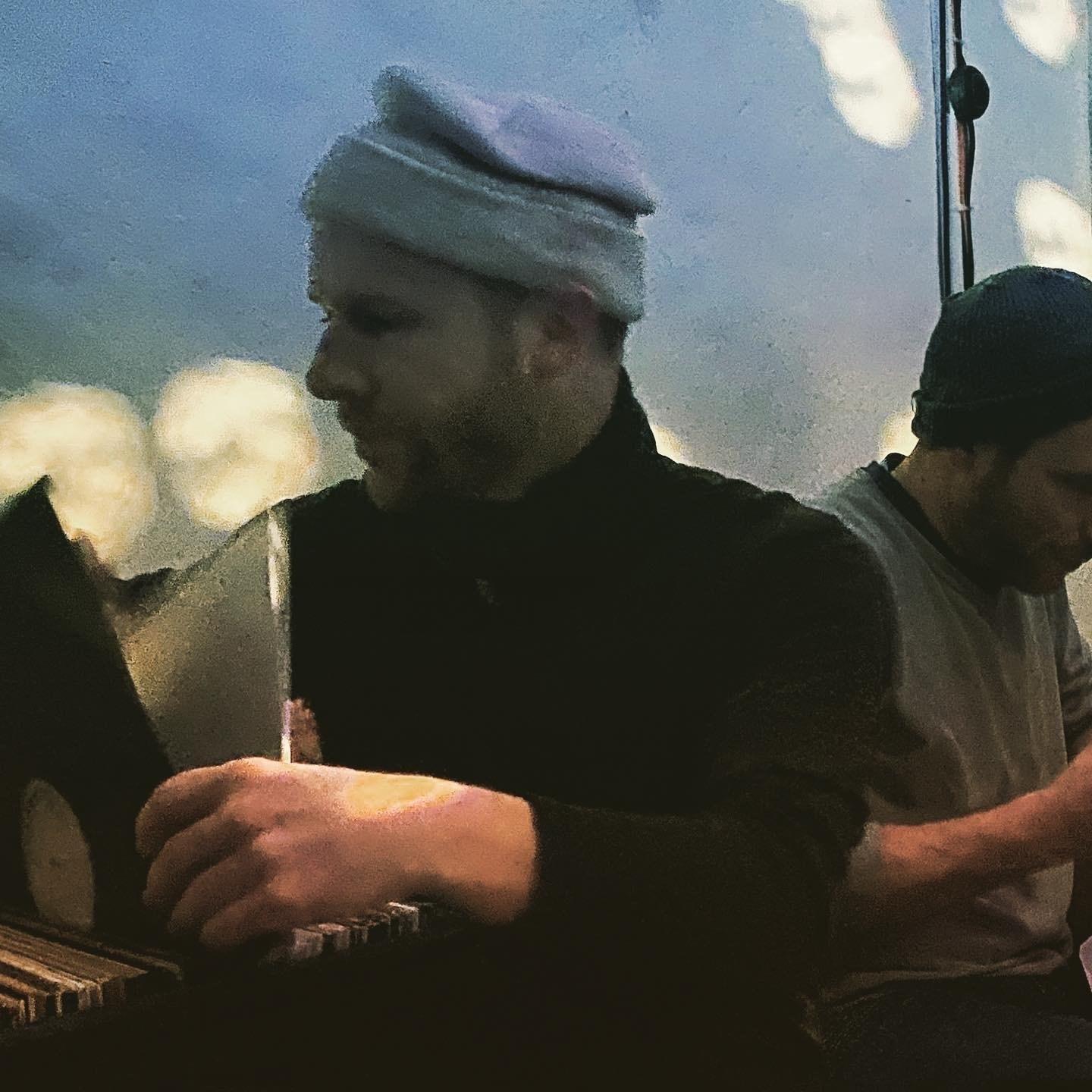

Dj Fekkesh
Biografía
Fekkesh didn't initially find his passion in electronic music. Instead, his early musical journey was shaped by his exposure to hip-hop, reggae, and dub music through his older brother. He fondly recalls a childhood memory of playing Bob Marley's Natty Dread tape at the tender age of 8, adding his bongo beats and recording the result with another tape recorder. By the time he was between 12 and 16 years old, he diligently purchased as much hip-hop, ragga and dancehall music as he could afford from Biel's record store, Lollypop, and began experimenting with mixing at home. This exploration eventually led to his first DJ gigs at local clubs like Coupole, Le Singe and Artix.
Fekkesh's introduction to electronic music came through afterparties held at iconic Biel clubs such as UG, Take5, NoJoke and Biella. It was here that he encountered the allure of deep, minimalistic, and warm techno and house sounds, resonating with the synthesizers reminiscent of the band Dub Syndikate. This discovery marked both a musical homecoming to his dub roots and the start of a new chapter. His record collection soon gravitated towards Detroit Techno and Chicago House, and he began exploring labels like Strictly Rhythm, IBADAN, Music Man, Phont Music, Djax, Peacefrog, Synewave, Metroplex and Ostgut Ton.
Fekkesh's musical evolution remained somewhat enigmatic until a pivotal moment during one of his vinyl sets at Dispo Club. There, he surprised and captivated the audience by exclusively playing warm, jazz-infused house music from Detroit. This performance quickly earned him an opportunity to curate an entire evening at the esteemed Römerquelle in Biel. He explains his approach, saying, "You start with warm, groovy sounds and gradually transition into deep, rhythmic techno, but it always remains danceable."
This night opened doors to more opportunities, ultimately leading to his residency at the club. When asked why he places such importance on vinyl DJing, Fekkesh emphasizes, "For me, DJing is an art form, akin to graffiti or breakdancing. It's about developing skills, not simply pressing sync. Vinyl allows you to actively participate in the culture, supporting everyone from the record presser and the label to the artist and graphic designer, not to mention the local record store and more. This is the essence of a thriving scene, one that can be felt and experienced. Perhaps that's why I prefer the term 'selector' over 'DJ.'"
Artistas relacionados
Techno +1


ILAYRUNI
España
Techno +1


Aawadh
Francia
House +1


Greyhound (US)
Estados Unido...
House +1
Jack Carpenter
Estados Unido...