
BOSEBY
Biografía
As a hauntological and exotic electronic artist, BOSEBY's music draws from a variety of influences, incorporating elements of drum and bass, vaporwave, and nostalgic 90s aesthetics. Examples of BOSEBY's music include tracks from the album Private Island (2024) and the single 50 FRONTS (2025).
You can find information on BOSEBY's events by checking their social media pages, Eventbrite, and local Florida publications like Orlando Weekly. BOSEBY has been known to host and promote a variety of underground electronic music events, particularly in the Bonita Springs and Orlando areas.
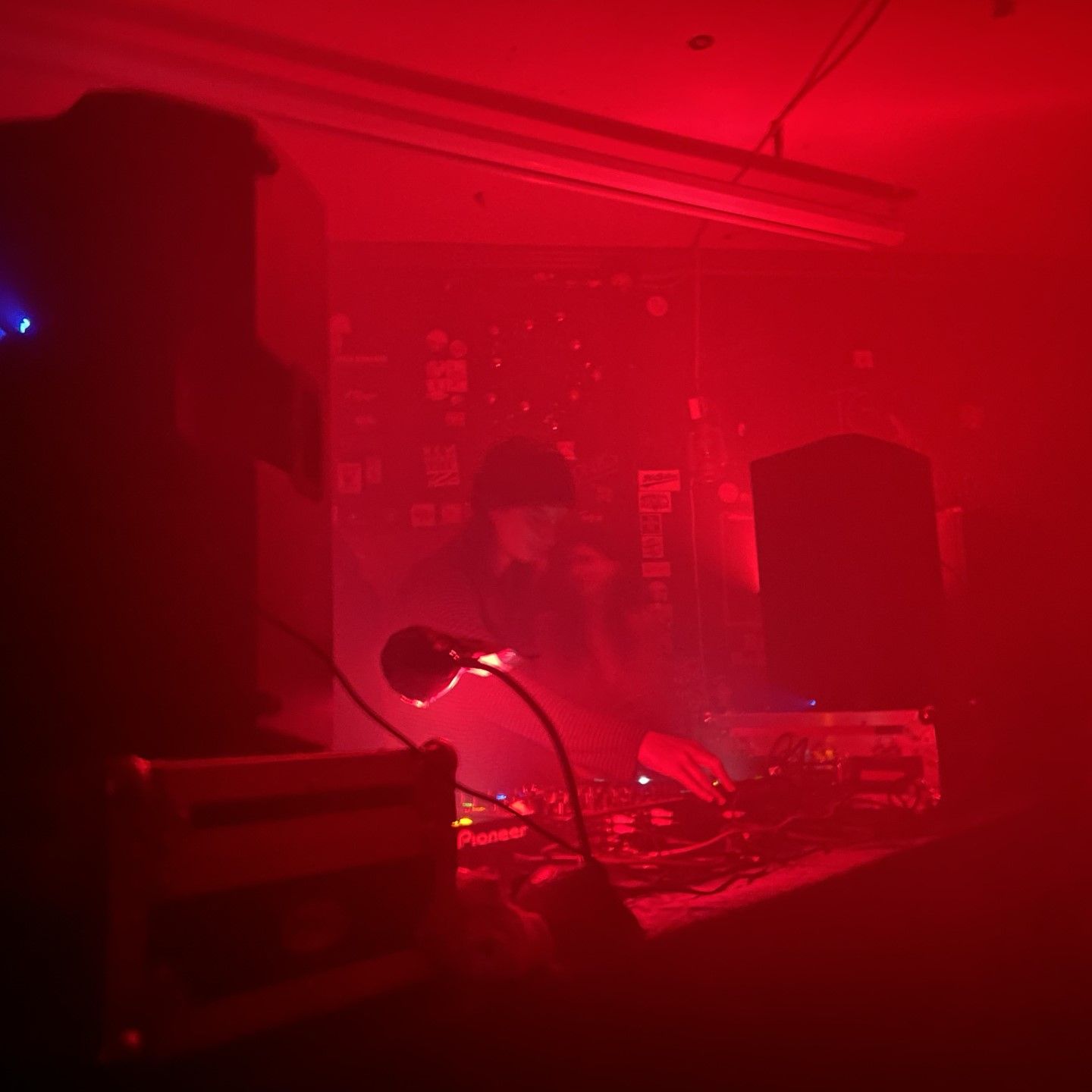
In his live performances, BOSEBY integrates hauntology through a multi-sensory approach that combines decayed sound aesthetics, vintage visual media, and atmospheric production. His shows are designed to evoke a sense of "lost futures" and cultural memory, creating a "ghostly" atmosphere that blurs the line between past and present.
Key elements of BOSEBY's live hauntological approach include:
Visual media and presentation
Archival and vintage visuals: BOSEBY's visual sets are a crucial component of his hauntological aesthetic. He incorporates visual iconography from bygone eras, such as faded public information films, vintage school textbooks, and retro television idents. This repurposing of old media functions like a visual sample, turning nostalgic artifacts into haunting specters of the past.
Technological decay: Visuals are often presented with effects that simulate technological degradation, such as VHS tape glitches, film grain, and static interference. This mimics the breakdown of memory itself and emphasizes the "haunted" quality of the old media.
Surreal and fragmented imagery: The visuals are often fragmented and collaged, creating a disorienting, dream-like quality. This can involve abstract patterns, surreal scenarios, and disconnected images that evoke a feeling of "half-baked memories of things that never were".
Sonic and production techniques ~
Lo-fi effects and sound design: BOSEBY's musical production foregrounds "lo-fi" elements such as vinyl noise, tape hiss, and digital artifacts. By using vintage recording devices like old synthesisers and cassettes, he incorporates the very "ghosts" of past technologies into the sound itself.
Manipulated nostalgia: The music often uses samples that evoke a sense of collective memory, such as snippets from old television shows or library music. These familiar sounds are then manipulated with effects like reverb and filters, transforming them from comforting nostalgia into something eerie and otherworldly.
Ambient and atmospheric soundscapes: His performances often use drones and ambient textures to create an immersive, ghostly atmosphere. This helps to suspend the audience in a non-linear, "atemporal" space where the past and present collide.
Thematic and conceptual foundation ~
Reclaiming lost futures: Conceptually, BOSEBY's live shows evoke the failed utopias and "lost futures" of the mid-to-late 20th century. By sonically and visually bringing back elements of an idealized or speculative past, the performance insists on the possibility of a different future, rather than simply presenting a nostalgic pastiche.
Exploring cultural memory: His work engages with themes of decaying personal and cultural memory, often focusing on the media artifacts that shape those memories. This makes the performance more than just a musical set—it becomes an exercise in excavating and reinterpreting the past.
Artistas relacionados
House +1


Greyhound (US)
Estados Unido...
House +1
Jack Carpenter
Estados Unido...
House
PUNKAL0ID
Estados Unido...
Tech House
SLOKEY
Estados Unido...